Short answer
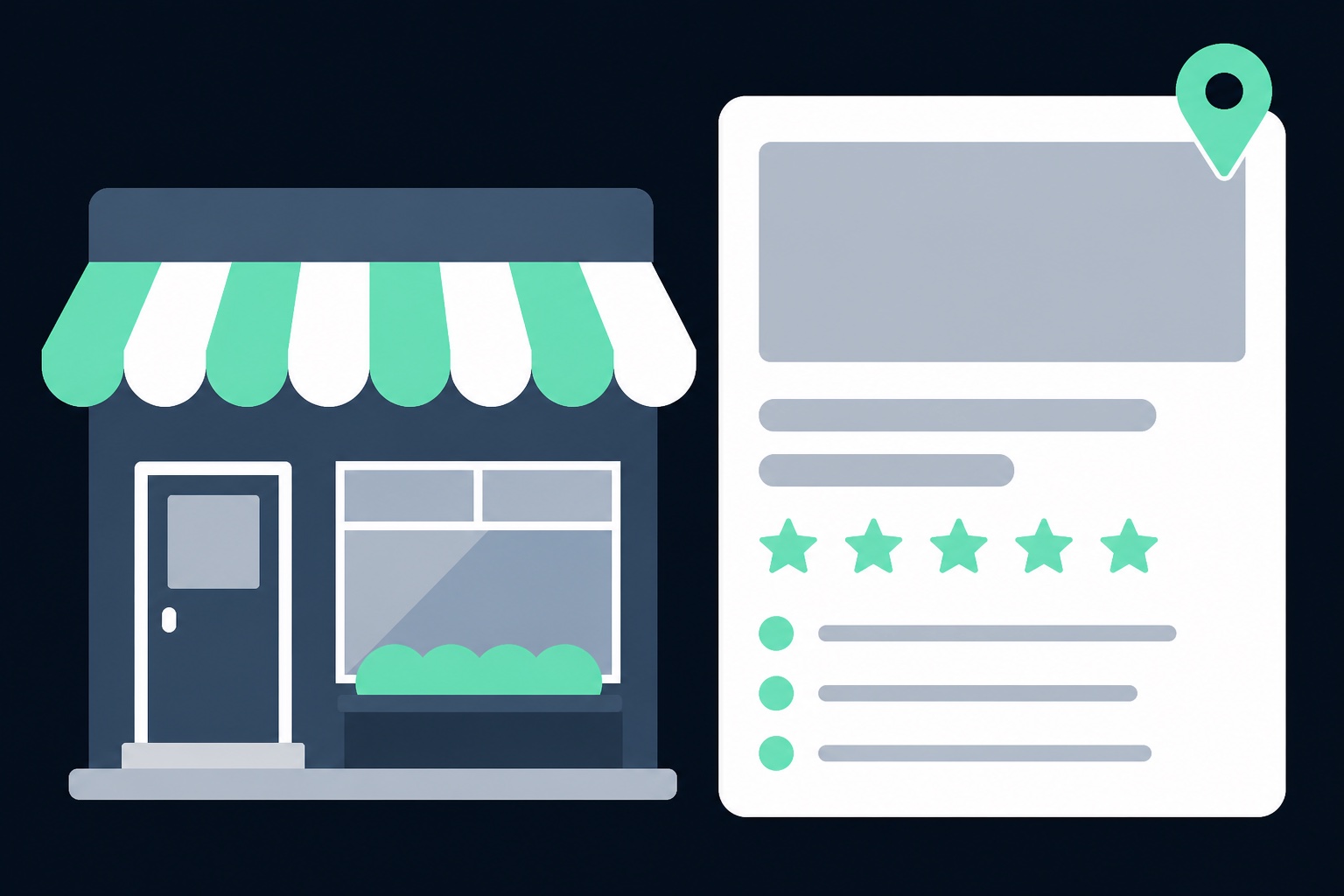
A Google Business Profile is frequently the first and sometimes only interface a local customer uses. It should be managed like a landing page — complete information, current photos, active reviews, accurate services — and kept perfectly consistent with the website it feeds.
Key takeaways
- Many customers act without ever reaching the website; design for that.
- The profile and the site must agree on every fact, without exception.
- Profile insights show discovery intent that Search Console cannot.
- Maintenance beats setup — a profile is a live surface, not a form you complete once.
Somewhere in most local businesses is an assumption that the website is the destination and everything else points at it. For a large share of customers, that is simply not what happens. They search, they see a profile, they read two reviews, they tap call. The website never enters the story.
Manage it like a landing page
- Categories: one accurate primary, secondaries only where genuinely applicable.
- Services: itemised with real descriptions, matching what the website says.
- Photos: current, well-lit, showing the actual premises, team and work.
- Hours: correct, including holidays and seasonal changes.
- Attributes: accessibility, payment methods, amenities — all decision inputs.
- Q&A: seed the genuine questions you answer on the phone every week, and answer them.
Reviews as an operating rhythm
Reviews arrive reliably only when someone is responsible for asking. Build the request into the moment work completes, keep it simple, never incentivise, and respond to everything — including, especially, the negative ones. A calm, specific response to a complaint is read by far more prospects than the complaint itself.
Where the website still earns its place
The profile handles discovery and the fast decision. The website carries depth: how the work is done, what it costs, proof, guarantees, financing, booking. It also feeds the profile — a well-structured site gives the profile consistent facts to align with, and gives search engines a source to corroborate.
A monthly checklist
- 01Verify hours, services and contact details still match the website.
- 02Add new photos from recent work.
- 03Respond to every review from the past month.
- 04Answer any new customer questions on the profile.
- 05Review discovery versus direct search trends and note anything unusual.
- 06Check for unauthorised edits or duplicate listings.
Related questions
- Do posts on a business profile help?
- They are useful for surfacing offers, events and seasonal information, and they signal an actively managed business. Treat them as a communication channel rather than a ranking lever.
- Should we use a call tracking number on the profile?
- It can be done, but carefully. Keep the primary number consistent with your citations and use tracking in a way that does not create conflicting business information across the web.
- What if a competitor leaves a fake review?
- Report it through the platform with specifics, respond publicly and factually in the meantime, and keep generating genuine reviews. Volume of real feedback is the most reliable defence.
Sources
Want this applied to your business?
We'll look at where you stand today and what the highest-impact next move actually is.